
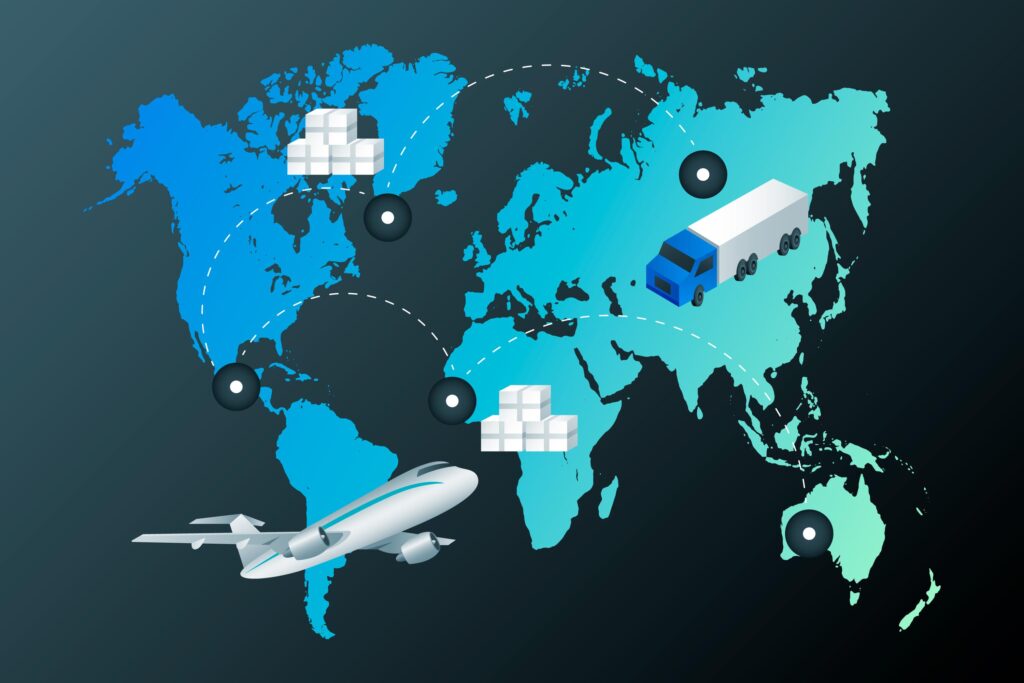
Your shipment is packed. Boxes sealed properly. Invoice ready. Customer waiting in another country.
And then the tension starts.
Will it reach on time? Or will it get delayed somewhere you cannot even see?
If you ever had a shipment stuck at customs or delayed in transit without clear reason, you already know how stressful international shipping can become. Deadlines do not wait. Clients also don’t wait patiently.
That’s usually when people open Google and type international cargo services near me and hope the nearest company will somehow solve everything fast.
But honestly, nearby does not always mean efficient. And fast promises are not equal to real speed.
So let’s talk properly about how to actually choose the right international cargo service, without rushing and without creating bigger problems later.
What You Actually Mean When You Search “International Cargo Services Near Me”
When someone searches for international cargo services near me, it’s not really about distance only.
Mostly it means:
- I need urgent delivery.
- I can’t afford to delay this time.
- I want clear answers.
- I need someone responsible.
- I don’t want customs issues again.
It’s more about reliability than location.
People think local means quick. Sometimes yes. Sometimes no. It depends on network strength more than office address.
First Step – Understand What “Fast” Means For You
Fast delivery is different for different shipments.
For example:
- 2–3 days express air freight
- 4–5 days priority shipment
- 7–15 days consolidated cargo
- 20–40 days sea freight
If you are not clear about the urgency level, even the best cargo company will struggle to suggest the correct option.
Ask yourself:
- Is this emergency or just important?
- Is cost flexible?
- What is weight and size?
- Is there any compliance needed?
Without this clarity, the process becomes confusing very quickly.
Don’t Only Focus on “Near Me”
Yes, typing international cargo services near me makes sense. Local presence helps in:
- Faster pickups
- Easier document submission
- Physical office for coordination
But international logistics is global coordination, not just local van pickup.
It requires:
- Airline connections
- Freight partnerships
- Customs brokers
- International handling agents
A nearby office without strong global tie-ups can still delay shipment.
So proximity is useful, but capability is more important.
Check Transport Options Properly
Professional cargo services should offer multiple transport modes:
Air Freight – for urgent shipments.
Sea Freight – for bulk and cost efficiency .
Door-to-door courier – for smaller parcels and convenient service.
If a company only suggests one option without evaluating your shipment, it shows limited planning. Logistics should be recommended based on cargo need, not convenience.
Customs Expertise Is Very Important
Many delays happen at customs, not mostly during flight or shipping.
Common mistakes include:
- Wrong HS code
- Missing documents
- Incorrect declared value
- Incomplete paperwork
When checking international cargo services near me, always ask:
- Will you guide on documentation?
- Do you handle export clearance?
- Do you assist in import clearance also?
If answers are unclear, you may face the same issue again.
Customs is technical, not guesswork.
Tracking and Transparency Matters
Waiting without information creates stress.
A reliable cargo company should provide:
- Real-time tracking
- Status updates
- Estimated delivery timeline
- Digital documentation
Without tracking, you are just hoping things are moving correctly.
Transparency builds confidence even if shipment takes a few days.
Compare Commitments, Not Just Big Claims
Many logistics companies advertise “fastest delivery” or “guaranteed express”.
Instead of believing marketing lines, ask:
- Exact transit time?
- Door-to-door or airport-to-airport?
- What if delay occurs?
- Is it a written commitment?
Professional companies explain clearly. Vague answers usually means uncertainty.
Understand Pricing Carefully
International cargo cost depends on:
- Volumetric weight
- Destination
- Fuel charges
- Customs brokerage
- Insurance
- Delivery speed
If the price is very low without explanation, it may include hidden charges later.
Always ask for a breakdown. Transparency avoids dispute later on.
Test Their Communication
Before finalizing, send an inquiry and observe response.
- Do they reply fast?
- Do they explain clearly?
- Are they asking the right questions?
Slow replies during initial discussion can indicate slow problem solving later.
Communication is part of logistics efficiency.
Think Long-Term, Not Just One Shipment
Today you may search international cargo services near me for one urgent parcel.
But tomorrow you might require:
- Regular exports
- Bulk shipments
- Warehousing
- E-commerce logistics
- Return management
Switching cargo partners every time is not practical.
Better to choose a scalable partner from the beginning.
Insurance and Risk Should Not Be Ignored
International shipping always has some risk:
- Damage
- Delay
- Weather issues
- Customs hold
Check if cargo insurance is available. Understand liability terms clearly.
Risk planning is part of professional logistics, not an extra option.
Red Flags To Watch
Be careful if company:
- Avoids written quotation
- Has no tracking system
- Cannot explain customs procedure
- Gives unclear timeline
- Communicates only informally
Speed without structure leads to bigger problems sometimes.
When You Should Choose Faster Shipping
Air freight makes sense when:
- Urgent business samples
- Contract deadlines
- Replacement parts
- Avoiding stockouts
- Perishable goods
Speed can protect revenue in these cases.
When Cost Efficiency Is Better
Sea freight or consolidated cargo works when:
- Bulk inventory
- Seasonal planning
- Warehouse restocking
- Long-term export schedule
Smart shipping balances cost and speed carefully.
Final Thought: Deliver With Confidence
The next time you feel the urgency and type international cargo services near me, take a moment.
Use a structured approach.
Evaluate capability, not just proximity.
Assess transparency, not just pricing.
Choose scalability, not just availability.
International shipping doesn’t have to be stressful.
With the right partner, it becomes predictable.
With predictability comes confidence.
And with confidence comes growth.
Fast delivery is important.
But informed delivery decisions are what build long-term success.
And we are here to help you make both.
FAQs
1. What is the cheapest way to send international cargo?
Sea freight is usually the cheapest option for bulk and non-urgent shipments. For smaller loads, consolidated air cargo can reduce costs. The best option depends on urgency, weight, and destination.
2. How long does international air cargo take for delivery?
Express air cargo usually takes 2–3 days, while standard air freight takes 3–5 business days. Transit time also depends on customs clearance and destination country.
3. What documents are required for international shipping?
Common documents include commercial invoice, packing list, airway bill, and export declaration. Some shipments may require additional compliance or customs documents depending on the product type.
4. How is air cargo chargeable weight calculated?
Air cargo is charged based on the higher of actual weight or volumetric weight. Volumetric weight is calculated using dimensions of the package to account for space occupied.
Courier Calculation -(lxbxh/5000 in CMS)This is as per airline regulations.
Cargo Cal -.(lxbxh/6000 in CMS)This is as per airline regulations.
5. What is the difference between air freight and air cargo?
Air cargo refers to goods transported by air, while air freight usually describes the service of transporting those goods. In practice, both terms are often used interchangeably.
6. Can I track my international cargo shipment online?
Yes, most professional cargo companies provide real-time tracking. You can monitor shipment status, transit updates, and estimated delivery timelines.
7. What items are restricted in international air cargo?
Hazardous materials, flammable goods, explosives, and certain chemicals are restricted in courier mode, subject to limitations based on their Class category.
However, in cargo services, acceptance depends on the respective airline and country regulations. Approval is required as per their policies, and submission of the MSDS (Material Safety Data Sheet) / Safety Data Sheet is mandatory. . Each country also has specific prohibited or regulated items that require special approval.